Clergy members are different from lay members, although both groups contribute significantly to the growth and mission of the Church. While lay members serve God through their various professions, societies, organisations and leadership responsibilities, clergy members are entrusted with particular responsibilities in the ordained ministry of the Church.
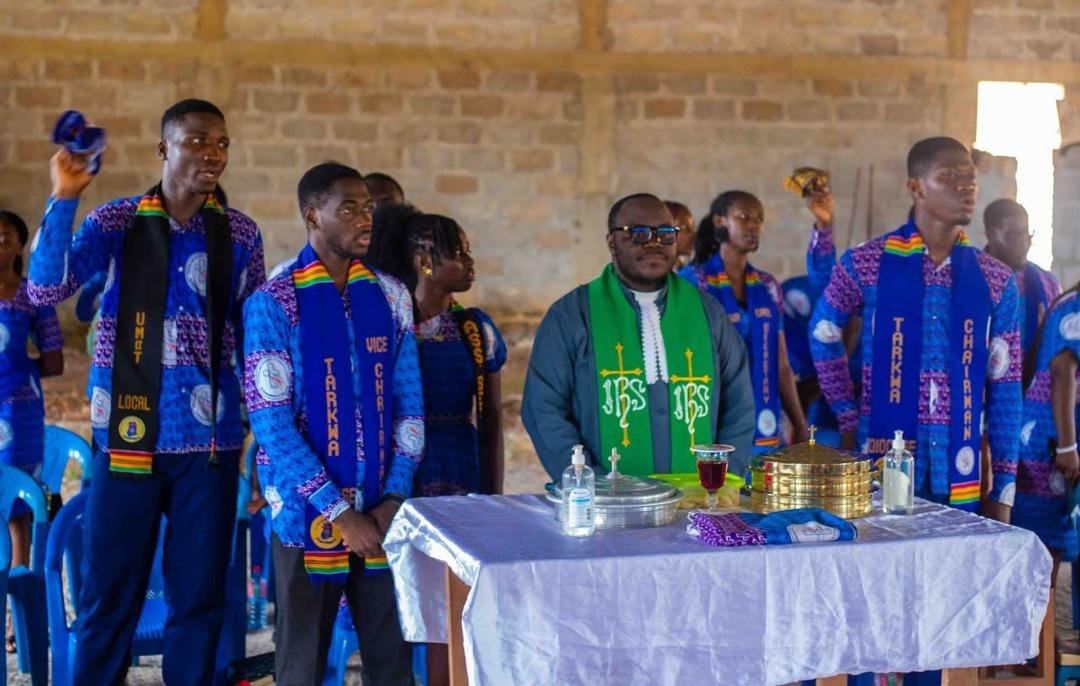
In The Methodist Church Ghana, the ordained ministry includes ministers who have received the Church's authority to serve in pastoral and sacramental roles. They are responsible for leading worship services, preaching and teaching the Word of God, conducting baptisms, administering Holy Communion, officiating at marriages and funerals, and providing pastoral care to individuals and families.
The clergy also help members understand the teachings and doctrines of the Methodist Church. Through preaching, counselling, visitation and discipleship, they encourage Christians to develop stronger relationships with God and live according to the principles of the Christian faith.
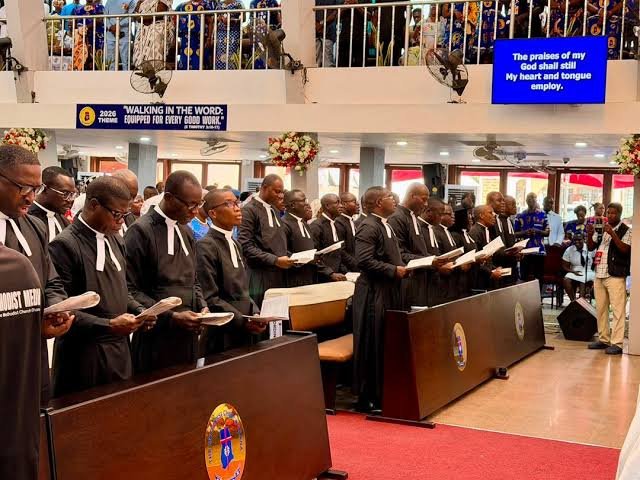
However, being a member of the clergy is not simply about wearing a clerical collar, cassock or robe, or standing behind a pulpit to preach. It is a commitment to a life of service, discipline, humility and spiritual responsibility. Clergy members are expected to demonstrate Christian character both within and outside the Church.
In the Methodist Church, the ministry operates within an established connexional structure, with ministers serving at different levels of leadership and responsibility. These include ministers serving in circuits, dioceses and at the Connexional level, under the Church's established governance and episcopal leadership.
It is also important to understand that not every church leader is automatically a member of the clergy. Lay Presidents, stewards, society leaders, class leaders and other lay officers may hold important positions and exercise significant leadership responsibilities without belonging to the ordained ministry.
The distinction does not make one group more important than the other. Both clergy and laity are essential to the mission of the Church. Their responsibilities complement each other in advancing the Gospel and serving humanity.
Ultimately, the clergy in The Methodist Church Ghana are ministers entrusted with the responsibility of serving God and His people through the ministry of the Word, sacraments and pastoral care. Their calling is not merely an office or title but a responsibility to lead, nurture and equip the Church for faithful Christian living and service.