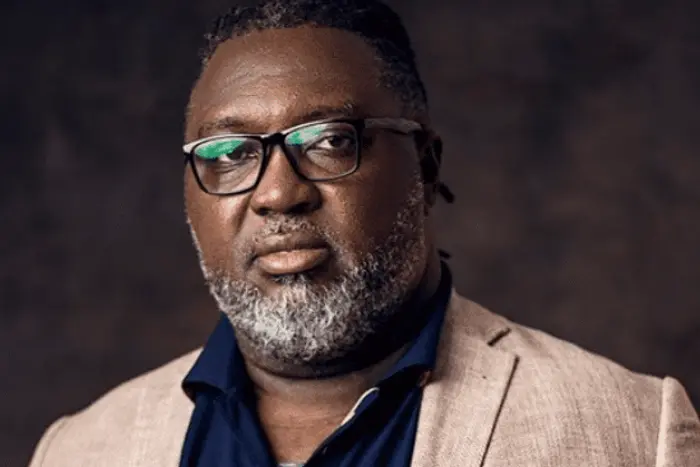
Ghanaian sound engineer Hammer has raised concerns about the financial difficulties facing musicians in the country, arguing that only a handful have achieved genuine financial success despite the popularity of the music industry.
He attributes the situation to the absence of a well-structured music industry, which he says leaves many artistes struggling to secure stable incomes and plan for their financial future.
Speaking on the Konnected Minds podcast, Hammer made the remarks during a discussion about the financial security of musicians, particularly their ability to make retirement provisions.
The discussion followed research findings indicating that 85.4 per cent of surveyed musicians were not enrolled in any registered pension scheme.
Hammer suggested that the situation was largely driven by the irregular incomes of musicians, making it difficult for many to commit to consistent pension contributions.
He argued that individuals in conventional employment often enjoy greater financial stability and are therefore better positioned to make regular retirement contributions.
“They don't have the money for the pension scheme. You're better off as a teller at a bank. You will be more consistent with your pension scheme payments than a musician,” he said.
The sound engineer also questioned the number of Ghanaian musicians who could genuinely be considered financially successful, despite the visibility and recognition some enjoy.
“A successful musician, how many are there in Ghana? Successful musicians in Ghana are a handful,” he remarked.
Hammer explained that the few artistes who manage to sustain their careers financially largely depend on public patronage and individual efforts rather than an organised industry structure that provides consistent support.
“They are being patronised. And they are surviving in the absence of an industry. They are doing their own thing,” he added.
His comments have brought renewed attention to the financial challenges confronting Ghanaian musicians, particularly the lack of structured support systems for retirement planning, financial security and long-term career sustainability.
The concerns also highlight the need for stronger industry structures that can help artistes earn sustainable incomes and secure their livelihoods beyond their active years in music.